
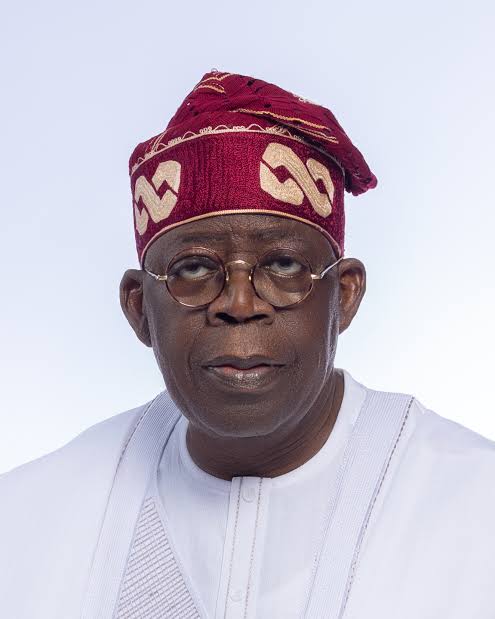
“The new tax laws, including those that took effect on June 26, 2025, and the remaining Acts scheduled to commence on January 1, 2026, will be implemented as planned.”Tinubu described the reforms as a historic opportunity to establish a transparent, competitive, and resilient tax system, noting that the initiative is aimed at restructuring rather than increasing the tax burden on citizens. He explained that the reforms are intended to harmonise existing tax structures, strengthen accountability, protect dignity, and reinforce the social contract between government and the people. The President called on stakeholders across both public and private sectors to support the implementation process, adding that the reform agenda has now moved beyond policy formulation into execution. Responding to claims that some sections of the tax laws were altered after passage by the National Assembly, Tinubu acknowledged the concerns but rejected demands to suspend implementation.
“No material issue has been identified that justifies halting the reform process.”He emphasized that confidence in governance is built gradually through consistency and adherence to due process, reaffirming his administration’s respect for the rule of law. Tinubu assured Nigerians that the Presidency would collaborate with the National Assembly to promptly address any genuine concerns, pledging that all actions would be guided by the national interest.
“I assure Nigerians that the Federal Government will continue to act in the overriding public interest to ensure a tax system that promotes prosperity and shared responsibility.”The controversy emerged in December 2025 after a House of Representatives member, Abdussamad Dasuki, raised a privilege motion alleging that the versions of the tax laws published in the Federal Gazette differed from those approved by lawmakers. Subsequent reviews by legislators and policy analysts pointed to possible inconsistencies between the bills passed by the National Assembly and the gazetted copies, triggering broader constitutional and legal concerns. Critics argue that if such discrepancies are confirmed, they could amount to a serious breach of Nigeria’s constitutional procedures and democratic principles. Several notable individuals and organisations — including former Vice President Atiku Abubakar, the Nigerian Bar Association, and civil society groups — have called for the suspension of the laws pending a transparent investigation. In response, the House of Representatives has set up a committee to examine the matter and oversee the re-gazetting of the tax laws, while directing that certified true copies of the versions passed by lawmakers be issued during the review process. Source: TokinPoint Media


